Contact us & find services
FRHS India Your Body
Your Choice
Your Future
About FRHS India Explore Our Work Access Services Impact & Stories Get Involved Knowledge & Insights Contact LinkedIn Feed Toll-free Helpline Donate

Our Approach

How we deliver care, advocate for change and generate the evidence behind our work.

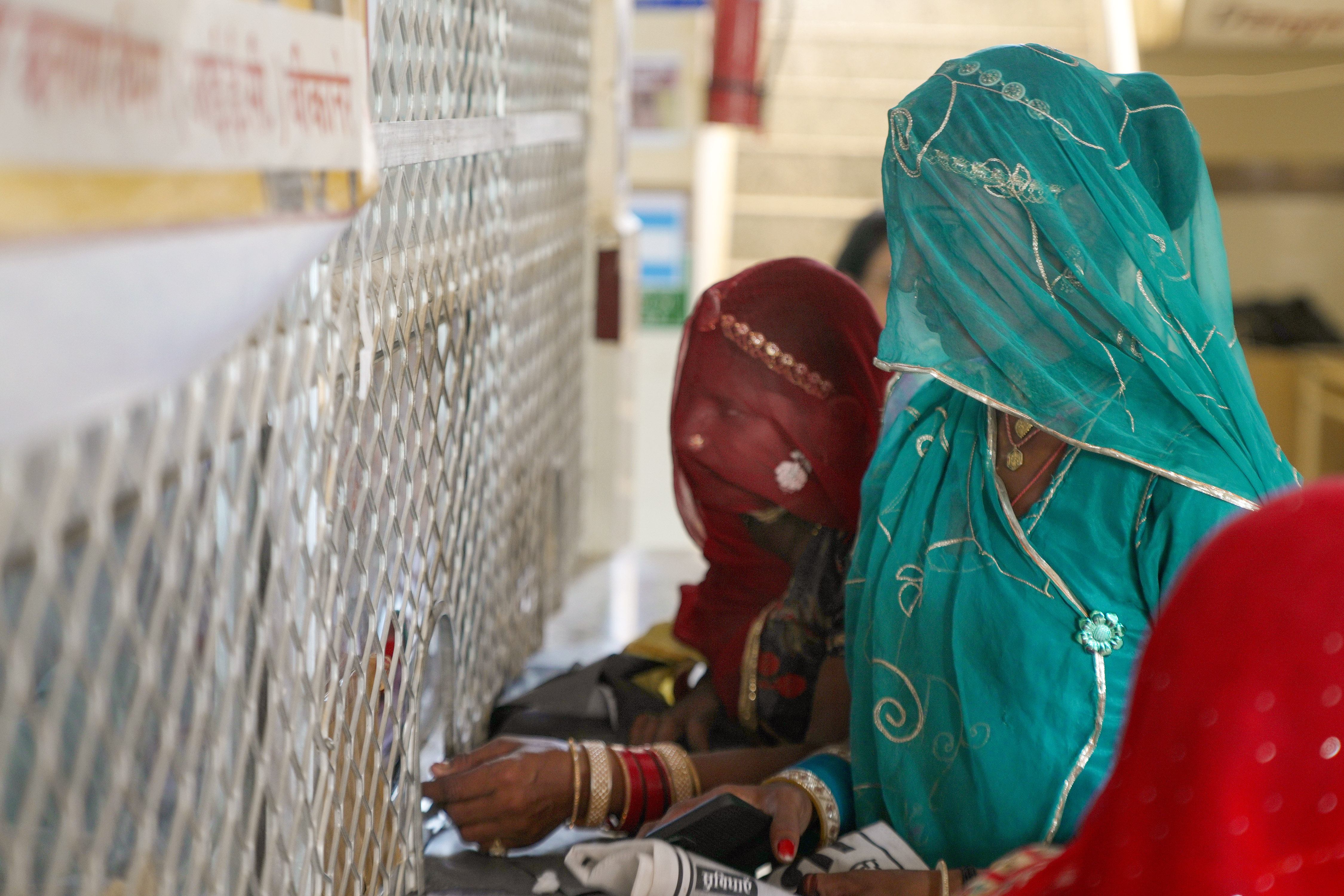
Clients waiting to register at a government primary health centre supported by FRHS India

Service Delivery

Bringing quality reproductive healthcare closer to communities.

FRHS India delivers family planning, safe abortion and other reproductive health services through two complementary service delivery models. Together, they expand access to quality care while supporting the public health system to reach underserved communities.

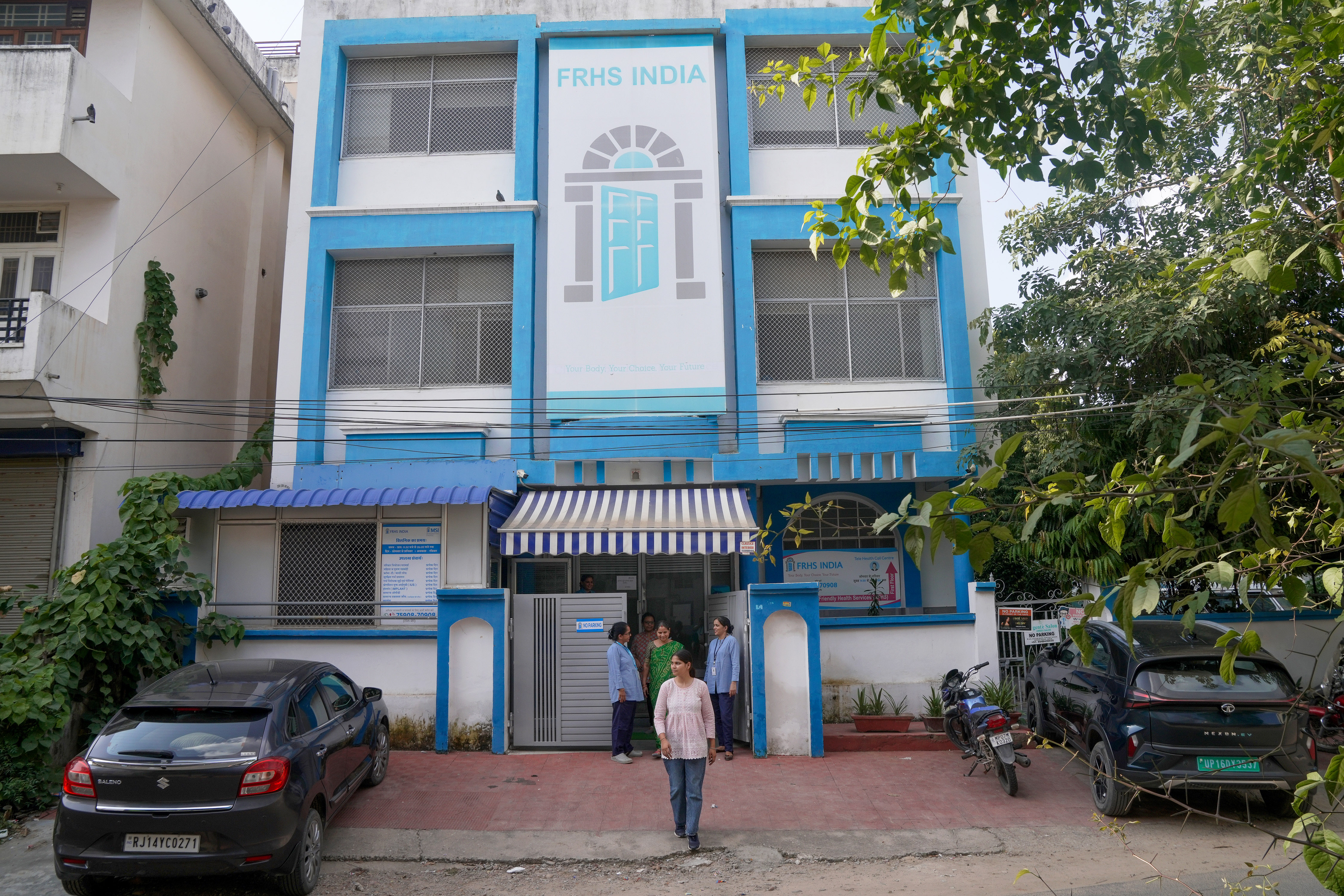
Exterior view of an FRHS India clinic

FRHS India Clinics / Health Centres

Our clinics provide comprehensive reproductive healthcare in safe, confidential and client-centred settings. Services include family planning counselling, a broad range of contraceptive methods, safe abortion and post-abortion care, and other reproductive health services. Every client receives respectful care, informed counselling and follow-up support tailored to their needs.

These centres are designed to address the needs of underserved populations by delivering high-quality, client-centred care at affordable or no cost, in alignment with national health priorities. Each clinic is staffed by highly trained and experienced medical professionals, operating in a supportive and non-judgmental environment that prioritises dignity, privacy and informed choice. This model enhances accessibility for low-income urban populations, especially women who face barriers in accessing respectful and affordable reproductive healthcare.
Clinical Outreach Teams (COTs)

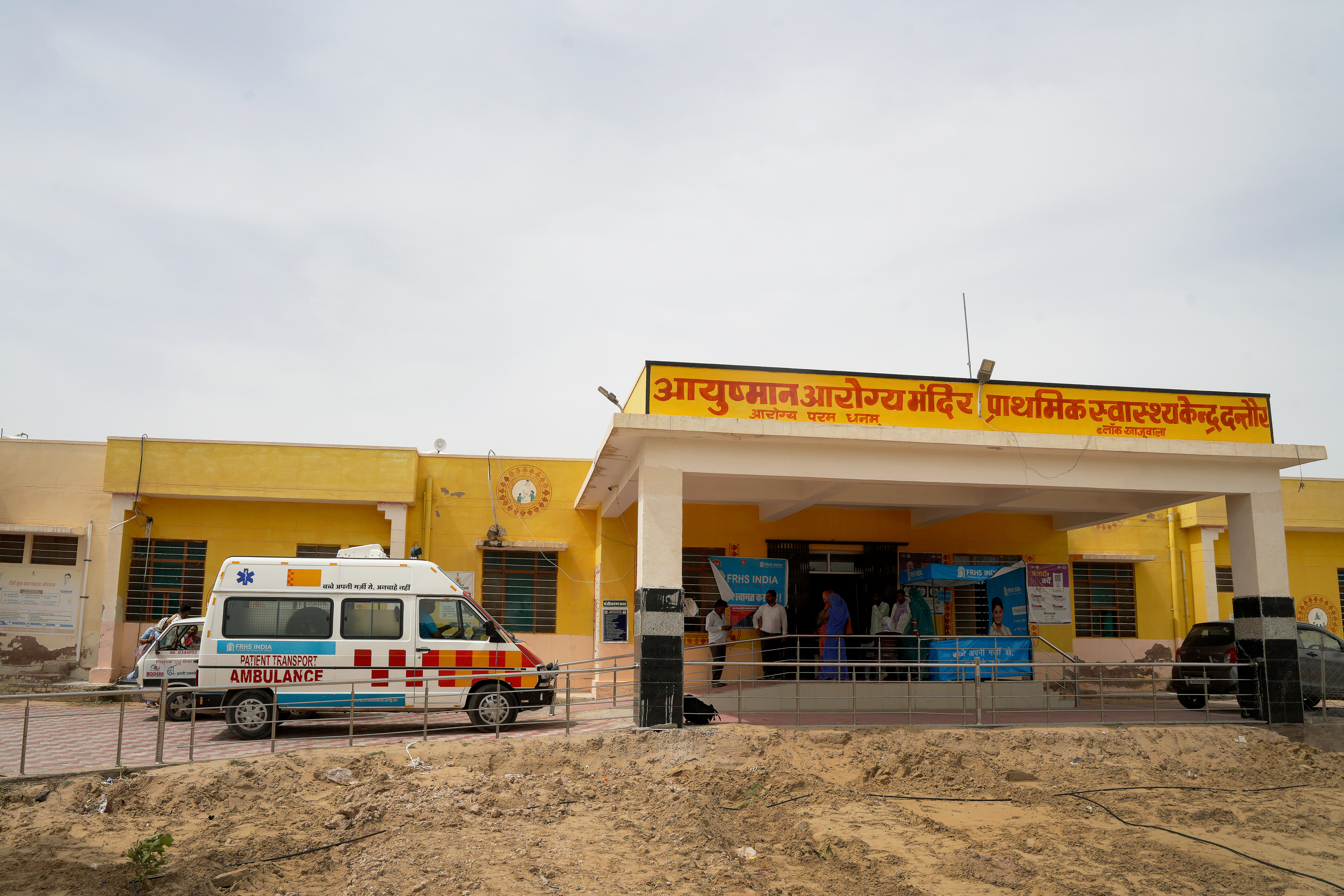
FRHS India Clinical Outreach Team members standing with their ambulance

The Clinical Outreach Team (COT) model is FRHS India's flagship service delivery mechanism, designed to bring high-quality, rights-based family planning services to populations with limited access to care. Operating at the intersection of public sector infrastructure and community health needs, COTs work directly within government health facilities to bridge critical gaps in staffing, equipment and supplies, ensuring that essential reproductive health services reach women who need them most.

In many rural and underserved regions, Primary Health Centres (PHCs) and Community Health Centres (CHCs) face systemic constraints that leave family planning needs unmet, often leading to unwanted pregnancies and unsafe abortions. FRHS India addresses these gaps through strategic partnerships with state governments and district health authorities, formalised through MoUs under the National Health Mission's Public-Private Partnership (PPP) framework. In close coordination with the health authorities, FRHS India deploys COTs at select public health facilities, offering a comprehensive range of family planning services free of cost, with reimbursement provided by the state governments.

Advocacy

Creating an enabling environment for reproductive rights.

Access to quality reproductive healthcare depends not only on the availability of services but also on supportive policies, informed public discourse and an enabling legal environment. FRHS India works with governments, civil society organisations, healthcare providers, researchers and the media to address policy and systemic barriers that limit reproductive choice.

  • Coalition building
  • Policy engagement
  • Media advocacy
  • Evidence-informed dialogue
Pratigya Campaign logo
Pratigya Campaign homepage banner

A key pillar of this work is hosting the Pratigya Campaign for Gender Equality and Safe Abortion, one of India's largest multi-stakeholder coalitions advancing safe abortion and reproductive rights. Through coalition building, policy engagement, media advocacy and evidence-informed dialogue, the Campaign works to improve access to safe abortion and promote reproductive justice across India.

Visit the Pratigya Campaign

Research & Evidence

Generating evidence that improves programmes and policies.

As part of its systems strengthening approach, FRHS India is investing in research to expand contraceptive choice, improve service delivery and enhance the sustainability of its models. Currently, the organisation is undertaking studies aimed at addressing gaps in method-mix and generating evidence to inform policy and practice.

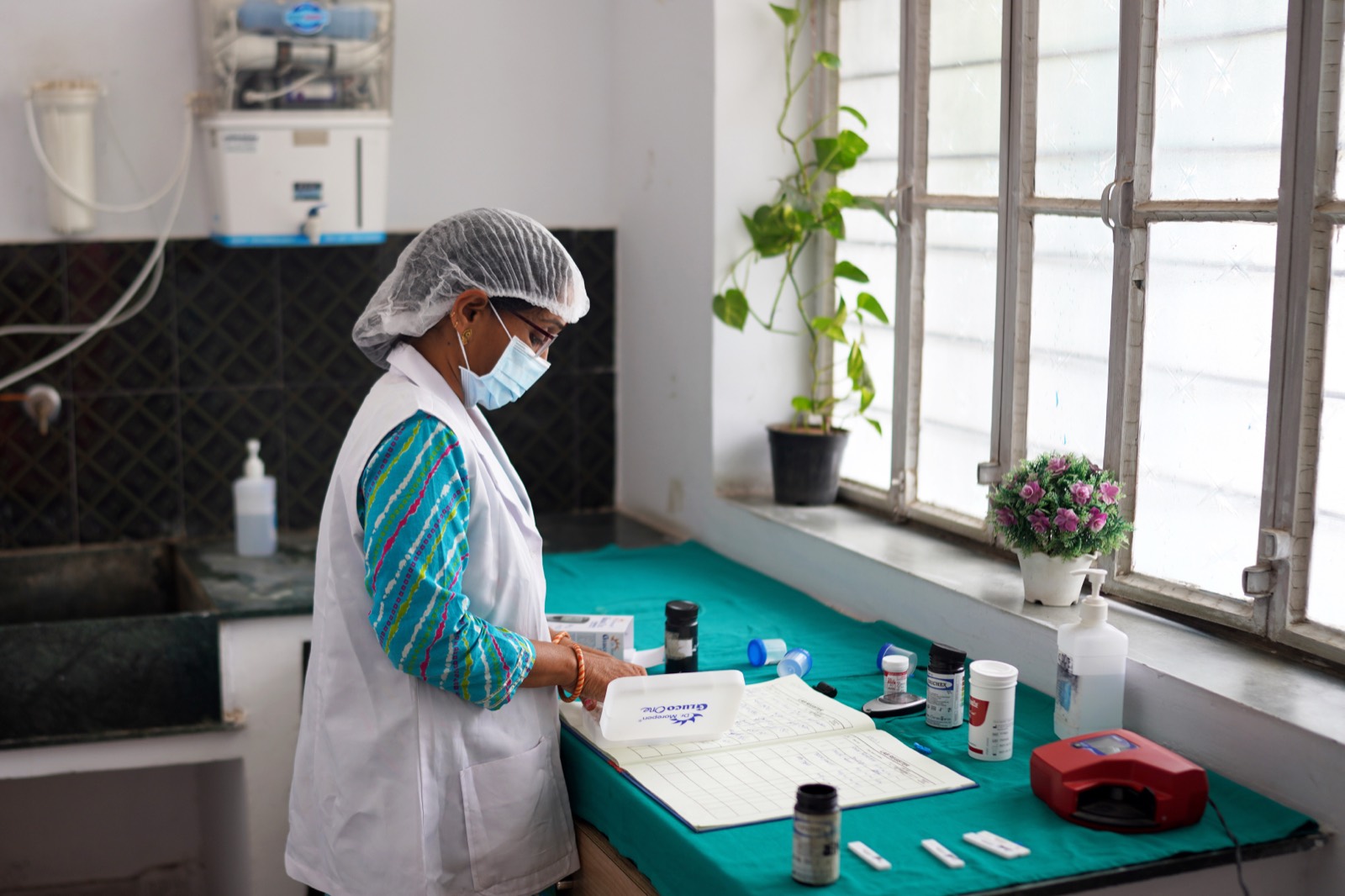
An FRHS India technician carrying out diagnostic tests and recording results in a clinic laboratory

Current Research Studies

A pilot study on contraceptive implants is underway to assess user profiles, motivations and affordability, with the objective of supporting wider adoption of this reversible method within India's family planning programme. In parallel, FRHS India is collaborating with Vardhman Mahavir Medical College & Safdarjung Hospital to evaluate the efficacy and acceptability of Centchroman (Chhaya), a non-hormonal oral contraceptive that remains underutilised despite its potential.